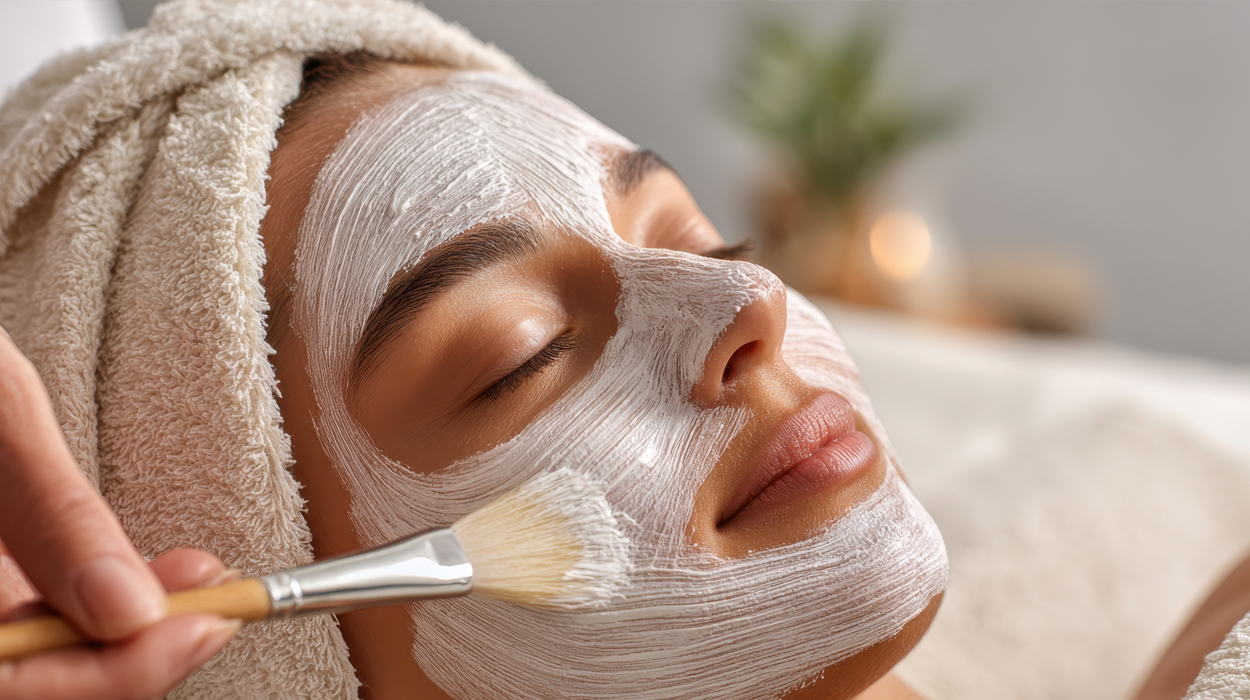

The beauty industry is constantly evolving, but building a profitable medical spa does not always require expensive equipment or a large treatment menu.
Facials, dermaplaning, microdermabrasion, and certain skincare treatments can help medical spas generate revenue without making major investments in specialized equipment.
For new practices, these low-capital med spa services can provide an accessible starting point. For established businesses, they can help fill appointment gaps, encourage repeat visits, and make better use of existing treatment rooms.
Low startup costs do not automatically guarantee high profits. Owners still need to account for provider compensation, supplies, overhead, and client demand. This guide explores affordable med spa services, their potential financial advantages, and how medical spa software can help manage appointments, memberships, and daily operations.
Low-capital med spa services are treatments that generally require a smaller initial investment in equipment, supplies, and facility setup than more equipment-intensive procedures. These services may use basic skincare products, handheld tools, or relatively affordable treatment devices.
Examples include:
Some practices may also consider microneedling, although its equipment, training, infection-control, and clinical oversight requirements can make it more complex than basic skincare services. The exact cost of offering any treatment depends on local regulations, provider qualifications, equipment choices, and existing infrastructure.
Low-capital treatments may offer several financial and operational advantages.
Lower initial investment: Many basic skincare services do not require expensive energy-based devices.
Flexible scheduling: Certain treatments can fit into standard appointment blocks, making them easier to organize within an existing schedule.
Repeat-visit opportunities: Ongoing skincare routines may create demand for future appointments when appropriate for the client.
Service customization: Providers can tailor treatments to individual skin concerns and preferences.
Membership potential: Some skincare services may fit into monthly memberships or prepaid packages.
For medical spa owners, the goal is to build a service menu that supports consistent demand without taking on unnecessary financial risk.
Facials are one of the most familiar services in professional skincare and can provide a starting point for practices looking to offer treatments without investing heavily in specialized equipment.
Depending on the treatment, facials may require:
Practices with existing treatment rooms may already have much of the necessary equipment.
Customized facials may support several service options, including:
The financial value of a facial depends on its price, appointment duration, product costs, and provider compensation.
Assume a provider completes five facials per day at $125 each. Over 20 working days:
5 appointments x $125 x 20 days = $12,500 in monthly revenue
This represents gross revenue, not profit. The practice must still account for products, compensation, rent, utilities, insurance, and other operating expenses.
Low-capital takeaway: Facials may provide a flexible starting point for building appointment demand without a major equipment purchase.
Dermaplaning is a mechanical exfoliation procedure performed using a specialized blade. It is often discussed as a standalone skincare service or as part of a broader facial treatment.
Compared with many device-based procedures, dermaplaning generally involves a smaller equipment investment. Common requirements include:
However, the use of a blade creates safety considerations, and the procedure may be regulated differently depending on the state and provider license.
Practices may offer dermaplaning as:
Add-on pricing should reflect the additional provider time, supplies, and treatment requirements.
Before offering dermaplaning, verify:
Low-capital takeaway: Dermaplaning may be an affordable addition to an existing skincare menu when the practice has appropriately qualified staff.
Microdermabrasion is a mechanical exfoliation treatment that uses specialized equipment to remove superficial skin cells. For practices interested in introducing device-based skincare, it may represent a smaller capital commitment than more complex aesthetic equipment.
Equipment costs vary depending on the device, features, and maintenance requirements. Before purchasing, compare:
Microdermabrasion may be offered as an individual treatment or included in an appropriate skincare plan. Practices can evaluate whether the treatment generates enough contribution per appointment to justify the equipment investment.
Suppose a treatment is priced at $150 and has $35 in variable costs.
$150 - $35 = $115 contribution per appointment
The contribution margin would be:
$115 / $150 x 100 = approximately 76.7%
This is a hypothetical example, not an industry benchmark. The $115 contributes toward fixed operating costs before the practice earns an operating profit.
Low-capital takeaway: Microdermabrasion may provide a way to expand a skincare menu without a large equipment investment, but owners should calculate actual costs before purchasing a device.
Superficial chemical peels are another service category that may have relatively low equipment requirements. These treatments use chemical exfoliating agents to address certain cosmetic skin concerns.
A superficial peel may require fewer equipment purchases than a device-based treatment. Practices still need appropriate products, protective supplies, training, and treatment protocols. Costs depend on the formulation and procedure.
Chemical peels may fit into:
Not every client is a candidate for a chemical peel, and different peel depths involve different risks and professional requirements.
Before adding chemical peels, consider:
Low-capital takeaway: Superficial chemical peels may expand a practice's treatment options without significant equipment purchases, provided the practice can meet relevant clinical and safety requirements.
Not every revenue opportunity requires a procedure. Professional skincare consultations and retail products can complement existing services while requiring relatively little additional treatment equipment.
Consultations may help clients better understand their skincare needs and available services. Depending on the practice, consultations may be offered separately or incorporated into other appointments.
Retail products can provide an additional revenue stream without requiring another treatment room or specialized procedure. However, retail products involve inventory costs. Owners should evaluate:
Suppose a skincare product sells for $80 and costs the practice $40.
$80 - $40 = $40 contribution before other variable expenses
That contribution helps cover operating costs and generate profit.
Low-capital takeaway: Skincare retail may complement low-capital treatments, but inventory purchasing should be based on realistic demand.
Microneedling is sometimes grouped with basic skincare services because certain devices cost less than large aesthetic equipment. However, a lower device price does not necessarily make the treatment simple or inexpensive to operate.
Microneedling involves penetrating the skin with needles and carries clinical and infection-control risks.
Depending on the device and jurisdiction, practices may need:
Provider qualifications and scope-of-practice rules vary by state.
A practice with appropriate clinical infrastructure may be able to introduce certain microneedling services without purchasing a large energy-based device. However, owners should calculate the full cost of adding the treatment, not just the device purchase price.
Low-capital takeaway: Microneedling may require less equipment capital than some advanced technologies, but it should not be treated as a basic facial or assumed to have minimal staffing requirements.
The following table summarizes the main financial and operational considerations. Capital requirements vary by equipment, location, provider qualifications, and existing practice infrastructure.
| Service | Capital Consideration | Primary Ongoing Costs | Repeat-Visit Potential |
|---|---|---|---|
| Customized facials | Basic room equipment and products | Skincare products, supplies, labor | Depends on client needs |
| Dermaplaning | Specialized handheld tools | Blades, supplies, labor | Depends on client needs |
| Microdermabrasion | Small treatment device | Consumables, maintenance, labor | Depends on treatment plan |
| Superficial chemical peels | Products and protective supplies | Peel products, supplies, labor | Depends on treatment plan |
| Skincare retail | Initial inventory purchase | Wholesale inventory, storage | Depends on purchasing patterns |
| Microneedling | Device and clinical setup | Single-use components, labor, clinical oversight | Depends on clinical appropriateness |
One advantage of a low-capital service menu is the ability to estimate revenue without relying on expensive equipment. Consider a hypothetical practice offering facials, dermaplaning, and microdermabrasion.
This example assumes the practice has sufficient provider and room capacity to complete all 110 appointments.
| Service | Monthly Appointments | Price | Revenue |
|---|---|---|---|
| Customized facials | 60 | $125 | $7,500 |
| Dermaplaning | 30 | $100 | $3,000 |
| Microdermabrasion | 20 | $150 | $3,000 |
| Total | 110 | $13,500 |
Suppose variable costs average 30% of revenue.
$13,500 x 30% = $4,050 in variable costs
$13,500 - $4,050 = $9,450 in monthly contribution
That contribution must still cover fixed expenses such as rent, salaried payroll, insurance, software, and administrative costs.
A practice with modest startup costs may be able to reach its financial goals without relying on a large number of expensive treatments. Actual profitability depends on demand, staffing, pricing, and overhead.
Affordable equipment does not mean services should be priced too low. Pricing needs to account for the full cost of delivering an appointment.
Include treatment products, disposable supplies, transaction fees, and any treatment-specific compensation.
Treatment price - Variable costs = Contribution
A treatment that generates $100 in contribution over 30 minutes uses provider capacity differently from one that generates the same amount over 90 minutes.
Your service menu must generate enough contribution to cover rent, fixed payroll, insurance, software, and other operating costs.
Pricing should reflect your market, treatment experience, and what clients are willing to pay. Avoid setting prices based only on competitor promotions.
Facials and other appropriate skincare treatments may fit into monthly membership programs. Memberships can make future appointment demand more predictable and encourage clients to maintain consistent skincare routines. Recurring billing does not automatically mean recurring profit.
Suppose a practice offers a $125 monthly membership that includes one qualifying facial. If 50 members pay and receive their included service during the month:
| Membership Measure | Hypothetical Amount |
|---|---|
| Monthly membership fee | $125 |
| Variable treatment costs | $30 |
| Other variable costs | $5 |
| Contribution before fixed expenses | $90 |
50 x $125 = $6,250 in membership billings
50 x $35 = $1,750 in variable costs
$6,250 - $1,750 = $4,500 contribution before fixed expenses
Actual revenue recognition and service redemption timing may differ. Track active members, cancellations, service redemptions, contribution margins, and unused service obligations.
Once your practice has established demand, focus on making better use of existing resources before expanding expenses.
Review which days and time slots have the most unused capacity. Adjust scheduling based on actual demand and provider availability.
Offer clients a convenient way to schedule future appointments when additional services are appropriate.
Packages may help organize treatment plans, but discounts should not eliminate the contribution needed to cover operating expenses.
Track product usage, purchasing, and waste. Small changes in supply costs can affect margins when a practice performs many appointments each month.
A smaller, well-managed menu can be easier to schedule, staff, and maintain than a large collection of underused services.
Keeping startup costs low is only one part of running an efficient medical spa. Practices also need reliable systems for scheduling, client records, payments, and repeat appointments. The best medical spa software should support existing workflows without creating unnecessary administrative work.
Online booking allows clients to request or schedule appointments without calling the front desk, which can be especially useful for frequently booked skincare services.
Reminders can help clients keep track of upcoming appointments and may reduce missed visits. Actual results depend on how the practice uses the system.
Client portals can provide convenient access to relevant appointment and account information, depending on the platform's available features.
Digital tracking can help staff manage included services, redemptions, and remaining package balances.
Payment and inventory tools can help organize transactions and monitor product usage.
Appointment and sales reports can help owners evaluate demand, utilization, and revenue by service. Software reports should be reconciled with accounting records when calculating actual profitability.
Customized facials, dermaplaning, microdermabrasion, superficial chemical peels, and skincare retail may be worth evaluating because they can require less specialized equipment than many advanced aesthetic procedures.
Yes, depending on demand, pricing, staffing, and operating costs. A practice can build a business model around services with modest equipment requirements, but low startup costs do not guarantee profitability.
Certain microneedling devices may require less equipment capital than large energy-based systems. However, the procedure has clinical, training, infection-control, and regulatory requirements that must be included in the startup budget.
Subtract the variable costs of delivering the facial from its price to calculate contribution. Then account for fixed operating expenses when evaluating the practice's overall profit.
Memberships may support repeat appointments and more predictable demand. Their financial value depends on pricing, service costs, redemption rates, and cancellations.
Medspa software can support scheduling, appointment reminders, client records, payments, inventory, and membership management. These tools can help organize daily operations without requiring extensive manual tracking.
A successful medical spa does not need to begin with a large collection of expensive devices. Low-capital services such as facials, dermaplaning, microdermabrasion, superficial chemical peels, and skincare retail can provide a practical foundation for a new or growing practice.
These treatments may offer opportunities to build repeat appointment demand, use existing treatment rooms efficiently, and expand services without taking on significant equipment expenses. Financial success still depends on thoughtful pricing, qualified providers, client demand, and careful cost management.
By focusing on services that fit your budget and operational capabilities, you can build a more sustainable medical spa business model.
AestheticsPro offers online booking, scheduling, E-Records, client management, payments, inventory tools, and reporting features designed for aesthetic practices.
Book an AestheticsPro demo to explore how medical spa management software can help organize your operations as your practice grows.
Related articles on growth, operations, and the systems shaping modern medical aesthetics practices.

Learn how medspa software supports secure documentation, digital consent, and HIPAA compliance to meet medical spa requirements...

Discover holiday upselling strategies to increase revenue in a med spa with packages, med spa loyalty programs, and med spa software...
Explore post-GLP-1 aesthetic treatments for volume loss, skin laxity, body contouring, and how medical spa software supports ongoing care...
Plan for the med spa holiday rush with a practical checklist for staffing, revenue, inventory, communication, and medical aesthetics software...

Learn how to plan winter aesthetic procedures before holiday events, including timing, downtime, skin quality, and natural-looking results...

See when growing med spas need med spa management software, what small business tools may outgrow, and what to look for next...

See what medical spa booking software should do before the visit, from intake and reminders to connected practice workflows...

See how spa management software can support repeat visits, memberships, stronger client retention, and long-term medspa growth...

See how AI-powered med spa software is helping aesthetic practices streamline workflows, save time, and improve the client experience...


 Login
