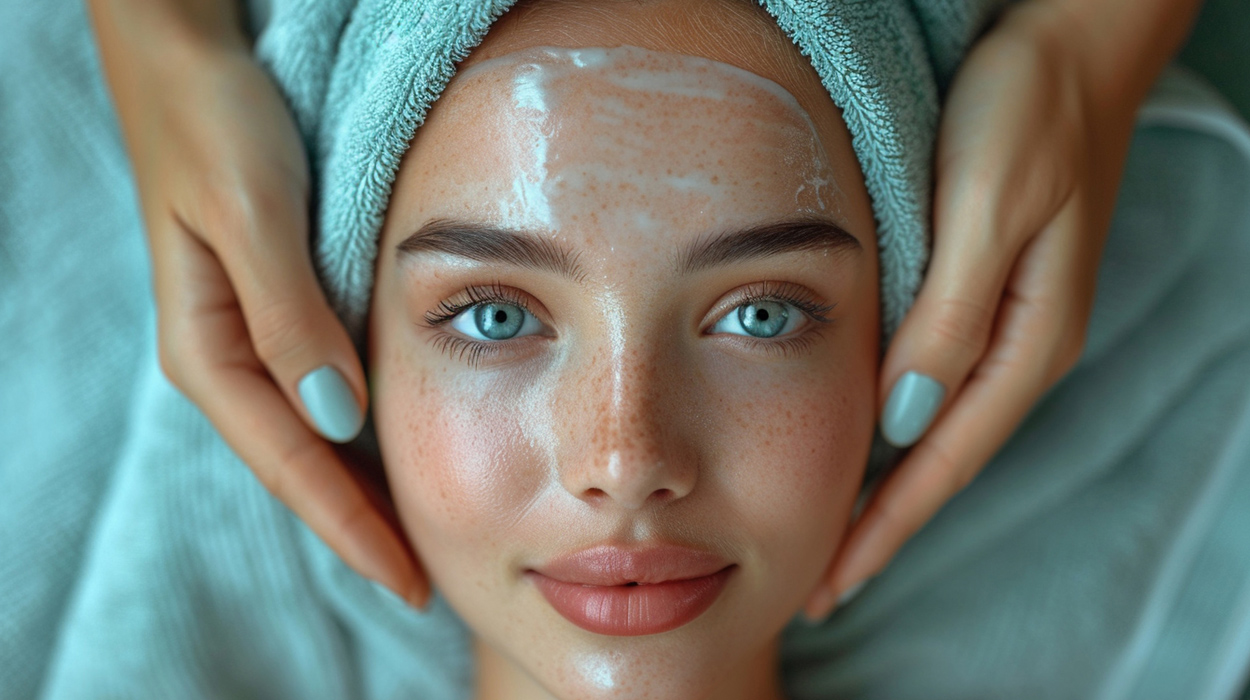

The medical spa industry continued to evolve in 2025 as aesthetic technologies, personalized skincare, and wellness-focused services attracted attention.
Throughout the year, conversations about medical spa treatments increasingly centered on nonsurgical procedures, skin rejuvenation, regenerative aesthetics, and individualized treatment experiences. Some services were well established, while others represented emerging approaches with ongoing questions about safety, effectiveness, and regulation.
Looking back at the medical spa trends of 2025 offers insight into the treatment categories, technologies, and consumer interests that shaped the aesthetic industry during that period.
Note: This article describes historical treatment trends and industry interest. Inclusion does not establish a treatment's effectiveness, safety, regulatory approval, or actual popularity ranking. Treatment availability and professional requirements vary.
RF microneedling was among the technologies discussed in connection with skin rejuvenation during 2025. The procedure combines microneedling with radiofrequency energy delivered through specialized devices.
The technology was commonly discussed in relation to:
Its combination of microneedling and energy-based technology made it part of the wider conversation about advanced skin rejuvenation. Clinical outcomes and risks varied by device, treatment settings, and patient characteristics.
Historical takeaway: RF microneedling represented the industry's interest in technology-assisted, nonsurgical skin treatments.
Noninvasive body contouring remained a prominent category in discussions about medical spa services in 2025. These treatments used different technologies to address specific aesthetic concerns without traditional surgery.
These technologies were not interchangeable. Each had different intended uses, limitations, and safety considerations. Marketing often emphasized convenience and limited downtime, although actual treatment experiences and outcomes varied.
Historical takeaway: Body contouring reflected continued interest in nonsurgical aesthetic technologies and treatment experiences.
Platelet-rich plasma, commonly called PRP, was another topic in regenerative aesthetics discussions during 2025. PRP involves processing a patient's blood to concentrate platelets for use in certain procedures.
PRP appeared in conversations about:
The quality of evidence and regulatory considerations differed across applications. PRP was frequently associated with consumer interest in treatments involving components derived from a patient's own body.
Historical takeaway: PRP reflected the industry's interest in blood-derived treatment approaches and regenerative aesthetics.
PDO thread lifts appeared in 2025 discussions about minimally invasive facial procedures. These treatments involve placing absorbable threads beneath the skin for specific aesthetic purposes.
PDO thread lifts were frequently positioned as an alternative for clients interested in facial rejuvenation without traditional surgery. However, thread lifts remained invasive procedures with potential complications and were not equivalent to surgical facelifts.
Historical takeaway: PDO thread lifts reflected demand for a wider range of facial aesthetic procedures with different levels of invasiveness.
Wellness-focused services were another visible theme in medical spa discussions during 2025. Some practices marketed IV hydration and nutrient infusions alongside traditional aesthetic treatments.
IV therapy was associated with broader consumer interest in wellness, recovery, and personalized health experiences. However, broad wellness claims were not necessarily supported by strong clinical evidence, and IV administration involved medical risks.
Historical takeaway: IV therapy reflected growing interest in combining aesthetic and wellness services while raising questions about evidence, safety, and medical oversight.
Exosome-based products received attention in regenerative aesthetics discussions during 2025. Their biological role generated interest in possible medical and aesthetic applications.
These were areas of interest and promotion, not established evidence of safe or effective treatment. In 2025, exosome products raised significant regulatory concerns in the United States. The FDA had not approved exosome products for medical use.
Marketing interest did not establish that exosome-based aesthetic treatments were approved, safe, or effective.
Historical takeaway: Exosomes were a notable topic in regenerative aesthetics discussions, but their visibility was not evidence of clinical validation.
Chemical peels remained part of medical spa skincare discussions in 2025, including interest in branded formulations such as BioRePeel. These products were often discussed in relation to exfoliation, skin texture, and personalized skincare services.
Branded peel formulations were marketed around factors such as:
Actual effects and suitability depended on the formulation, treatment protocol, and individual patient.
Historical takeaway: Specialized chemical peels reflected ongoing interest in personalized skincare and newer formulations of familiar treatments.
HydraFacial was another established treatment category featured in 2025 skincare discussions. The approach combined several skincare steps, with optional products or boosters used to customize the experience.
HydraFacial boosters were discussed in connection with different cosmetic skincare concerns, including:
The use of customizable boosters illustrated how providers and skincare brands emphasized individualized treatment experiences.
Historical takeaway: HydraFacial boosters reflected the industry's focus on personalization within established skincare services.
Platelet-rich fibrin, or PRF, was another blood-derived approach discussed in regenerative aesthetics during 2025. PRF and PRP are related but distinct preparations. PRF contains a fibrin matrix, and preparation methods differ from those used for PRP.
Evidence and clinical suitability varied by application. PRF became part of the wider interest in treatments involving a patient's own blood-derived components.
Historical takeaway: PRF reflected continuing interest in blood-derived technologies, even as evidence and appropriate uses remained important considerations.
Red light therapy, also discussed under the broader category of photobiomodulation, received attention in skincare and wellness conversations during 2025. The approach involves exposing tissue to specific wavelengths of light.
Red light devices appeared in discussions about:
The evidence supporting particular uses depended on the device, wavelength, treatment protocol, and indication.
Historical takeaway: Red light therapy was part of the broader visibility of light-based technologies in aesthetics and wellness.
Although these 10 treatment categories differed significantly, several themes connected industry discussions during 2025. These themes help explain how medical spa treatment conversations developed throughout the year, but they do not establish that every category experienced the same level of demand or achieved comparable clinical results.
Energy-based devices, specialized skincare equipment, and light-based technologies remained visible parts of the industry.
Customizable skincare treatments, individualized consultations, and tailored aesthetic approaches featured prominently in treatment descriptions.
PRP, PRF, exosomes, and IV therapy reflected growing interest in treatments described using regenerative or wellness terminology. These categories also highlighted the need to distinguish consumer interest, marketing claims, clinical evidence, and regulatory status.
The medical spa treatment landscape of 2025 reflected a mix of established procedures, evolving technologies, and emerging treatment concepts. RF microneedling, body contouring, regenerative approaches, specialized chemical peels, and light-based treatments were among the categories discussed in connection with changing aesthetic preferences.
Taken together, these trends provide a historical snapshot of the themes shaping aesthetic industry discussions: nonsurgical procedures, personalization, technology, and the expanding relationship between aesthetics and wellness.
Understanding that history helps distinguish established treatment categories from emerging ideas that attracted attention during the year.
Treatments discussed in 2025 industry content included RF microneedling, noninvasive body contouring, PRP, PDO thread lifts, IV therapy, exosome-related products, specialized chemical peels, HydraFacial boosters, PRF, and red light therapy.
There was no single universally established leading trend. Common themes included nonsurgical aesthetics, personalized skincare, energy-based technologies, and regenerative treatment concepts.
Regenerative aesthetics attracted interest because of research into biological processes and marketing focused on natural-looking or restorative approaches. Evidence and regulatory status varied significantly among treatments.
No. The FDA had not approved exosome products for medical use in the United States in 2025. Their presence in aesthetic marketing did not establish regulatory approval or proven effectiveness.
Skincare discussions emphasized customization, including specialized chemical peels, treatment boosters, and technology-assisted procedures. These themes reflected growing interest in individualized aesthetic experiences.
Understanding treatment trends is only one part of managing a modern aesthetic practice. The right medical spa software can support scheduling, client records, digital forms, treatment documentation, communication, and reporting as your service menu evolves.
Book an AestheticsPro demo to explore tools that help your team organize operations and deliver a consistent client experience.
Related articles on growth, operations, and the systems shaping modern medical aesthetics practices.

Learn how medspa software supports secure documentation, digital consent, and HIPAA compliance to meet medical spa requirements...

Discover holiday upselling strategies to increase revenue in a med spa with packages, med spa loyalty programs, and med spa software...
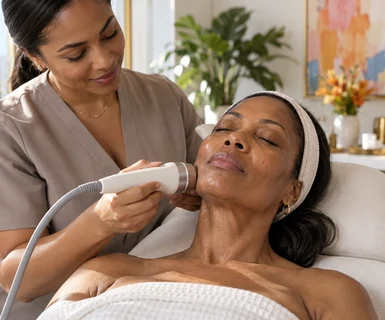
Explore post-GLP-1 aesthetic treatments for volume loss, skin laxity, body contouring, and how medical spa software supports ongoing care...

Plan for the med spa holiday rush with a practical checklist for staffing, revenue, inventory, communication, and medical aesthetics software...

Learn how to plan winter aesthetic procedures before holiday events, including timing, downtime, skin quality, and natural-looking results...

See when growing med spas need med spa management software, what small business tools may outgrow, and what to look for next...

See what medical spa booking software should do before the visit, from intake and reminders to connected practice workflows...

See how spa management software can support repeat visits, memberships, stronger client retention, and long-term medspa growth...

See how AI-powered med spa software is helping aesthetic practices streamline workflows, save time, and improve the client experience...


 Login
