Login
Login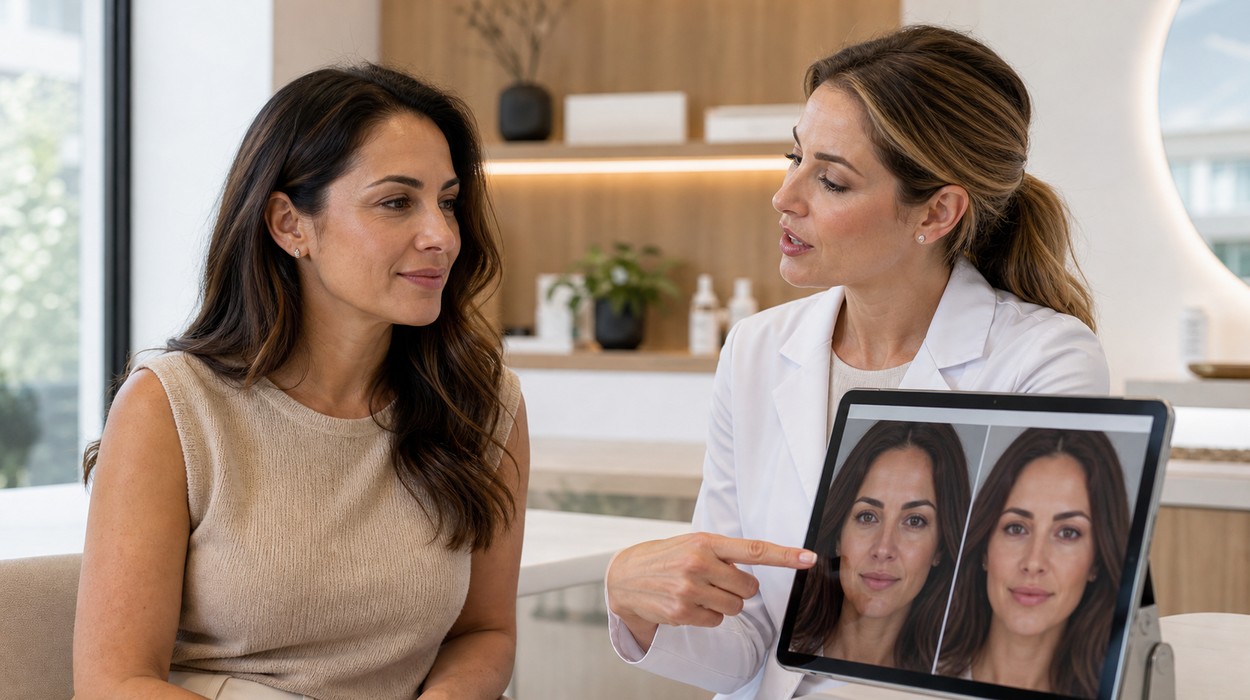

A client can now alter a selfie in seconds. Skin can appear smoother, facial contours more defined, and individual features subtly reshaped before the image ever reaches an aesthetic provider.
These AI-edited reference images are adding a new layer to the consultation process. Providers may need to understand what the client changed, what they actually hope to achieve, and how the edited image compares with their real starting point.
The trend is sometimes described as "AI face," referring to the polished or highly symmetrical appearance that can emerge when generative AI and beauty-editing tools alter facial images. Here, the term refers to AI-generated or AI-edited images clients may bring into a consultation, not an AestheticsPro feature or professional treatment-visualization technology.
For practices using an EMR for medical spa teams, the role of technology is to help document the real consultation, including baseline photography, client goals, provider notes, treatment history, and agreed next steps.
Why AI-Edited Photos Are Showing Up in Aesthetic Consultations
Reference images are not new to aesthetics.
Clients have long brought celebrity photos, social media posts, filtered selfies, and before-and-after images into consultations. AI simply gives people more ways to alter or generate those references before speaking with a provider.
The difference is that AI-generated beauty images can make substantial changes quickly. A client might experiment with smoother skin, different facial proportions, fuller lips, altered contours, or other features without necessarily understanding how those changes relate to real treatment options.
That does not make the image useless.
It makes understanding the image more important.
A provider can use the reference to ask what specifically appeals to the client and which parts of the image represent a genuine goal.
A Reference Image Can Help Start the Conversation
Some clients know the result they like but do not know how to describe it.
They may use words such as:
- Refreshed
- More balanced
- Brighter
- Defined
- Softer
- Natural
- Rested
- More polished
An AI-edited image may give the provider another way to understand what those words mean to that individual.
The image should be treated as a conversation aid rather than an automatic treatment plan.
A provider can ask:
- Which part of this image stands out to you?
- What change were you trying to create?
- Which features do you want to preserve?
- Is the goal related to shape, texture, proportion, or overall appearance?
- Was this image edited with a specific treatment in mind?
Those questions can move the discussion away from reproducing a digital image and toward understanding the client's actual goals.
The Client's Real Baseline Still Matters
When an edited image enters the consultation, documenting the client's current appearance becomes even more valuable.
Baseline photography gives the provider and client a shared reference for what is physically present before treatment.
Useful consultation documentation may include:
- Current photographs
- Previous treatment history
- The client's stated concerns
- Relevant reference images
- Provider observations
- Areas discussed during the consultation
- Recommended next steps
- Treatment decisions
The best EMR for medical spa teams should help preserve this context so future conversations are not dependent on memory or disconnected notes.
The goal is not simply to save an image. It is to preserve the reasoning around the consultation.
Not All AI Beauty Images Are Created the Same Way
AI beauty references can come from very different sources.
A client may arrive with:
- A social media beauty filter
- An edited selfie
- A general-purpose AI-generated image
- A beauty app transformation
- A professionally guided treatment visualization
Those categories should not be treated as interchangeable.
General-purpose image generators and casual editing tools are not designed for the same purpose as technology created specifically to support aesthetic consultations.
A casual AI edit may adjust several parts of an image at once. It may also change lighting, skin texture, symmetry, or facial proportions beyond the feature the client originally intended to modify.
That makes one question especially useful:
How was this image created?
Knowing the source can help the provider understand what the client is actually responding to and which elements deserve further discussion.
The Consultation Is Becoming More About Translation
Aesthetic consultations have always required interpretation.
Clients usually describe how they want to look rather than providing a technical treatment plan.
AI-edited references add another layer to that conversation.
The provider may now need to translate:
- The client's words
- The client's original appearance
- The digitally altered reference
- The client's treatment history
- What can reasonably be discussed as a next step
An EMR for medspa workflows can help preserve that context between visits.
If the client returns months later, the team should be able to understand what was originally discussed, what recommendations were made, what services were performed, and how the client's goals may have changed.
That continuity becomes especially useful when more than one team member participates in the client journey.
Documentation Helps Keep the Plan Individual
AI-generated imagery can sometimes produce similar visual patterns across different people.
That makes individual documentation particularly important in aesthetics.
A treatment conversation should remain centered on the person sitting in front of the provider, including:
- Their current appearance
- Their preferences
- Their treatment history
- Their comfort level
- Their provider's assessment
- Their previous results
- What they do not want changed
Well-organized aesthetic EMR software can help keep photographs, notes, treatment history, and consultation details connected to the individual client.
The technology supports the record.
The provider and client still define the goals together.
AI Images Still Need Professional Interpretation
AI-edited reference images and professionally guided visualization tools can make aesthetic goals easier to discuss.
They still work within a consultation where a qualified provider evaluates the individual client, their history, their goals, available treatment options, and appropriate expectations.
An image might help communicate an idea.
Professional interpretation determines how that idea fits into the actual consultation.
That distinction also gives providers room to explain when several changes in an image may not correspond to one service or when the client is responding to an overall impression rather than one specific feature.
The goal is not to dismiss the reference.
It is to understand it accurately.
Treatment Records May Need More Context Than Before
Whether a client arrives with a filtered selfie, a general AI-generated image, or a professionally created treatment visualization, the practice still needs a reliable record of the real client and the actual consultation.
An aesthetic EMR can help the team maintain that history in one place.
That record may help answer:
- What did the client originally want to discuss?
- Which images influenced the conversation?
- What did the provider observe?
- What recommendations were made?
- What services were ultimately selected?
- What was performed previously?
- How have the client's goals changed?
That context becomes more valuable as visual references become easier to generate and modify.
AI Is Expanding the Visual Language of Aesthetics
AI-edited images do not need to be treated as either good or bad.
They are another form of visual communication entering the consultation room.
Clients may arrive with casual AI edits, digitally altered selfies, social filters, or professionally generated treatment previews. Those tools are not interchangeable, but each can become part of a useful conversation when the source of the image is understood and the consultation remains grounded in the individual client.
The important distinction is not simply AI versus no AI.
It is whether visual technology is being used with clear context, appropriate expectations, professional interpretation, and reliable documentation.
AI may change the reference a client brings into the room.
The consultation still needs to stay centered on the client.
Keep the Consultation Grounded in the Client
AestheticsPro helps practices keep client information, medical photography, treatment history, documentation, scheduling, and daily workflows connected within one platform. As AI-edited beauty references and visualization technologies become more common, maintaining a clear record of the real client, the consultation, and the agreed next steps becomes even more valuable.
Frequently Asked Questions
What are AI-edited reference images in aesthetics?
AI-edited reference images are photos or generated images that have been digitally altered using artificial intelligence. They may change skin appearance, facial contours, proportions, or individual features. Clients may bring these images into consultations to help communicate an aesthetic preference or goal.
Can clients bring AI-edited photos to an aesthetic consultation?
Yes. An AI-edited image can help begin a conversation about what the client likes or wants to discuss. The provider can then clarify which aspects of the image matter to the client and compare the reference with the client's actual appearance and treatment history.
Are AI-edited selfies the same as professional treatment visualization?
No. General-purpose AI tools, beauty filters, and casual editing apps serve different purposes from visualization technology designed specifically for professional aesthetic consultations. Providers should understand how a reference image was created before interpreting what it represents.
Why is baseline photography important when AI-edited images are involved?
Baseline photography creates a real visual record of the client's starting point. It can help distinguish the client's actual appearance from changes shown in an edited image and provide a consistent reference for future consultations and treatment documentation.
Keep Consultations Grounded
AestheticsPro helps practices keep client information, medical photography, treatment history, documentation, scheduling, and daily workflows connected within one platform. As AI-edited beauty references and visualization technologies become more common, maintaining a clear record of the real client, the consultation, and the agreed next steps becomes even more valuable.
Book a FREE Consultation